%20vector%20logo.svg)


One survey. Multiple structural answers.
September 3, 2024
February 11, 2026
I first used ground penetrating radar on concrete back in 2005. The system was relatively simple, yet it did its core job well — I could reliably identify top reinforcement and, in most cases, post-tensioning. At the time, many descriptions of the technology suggested that defects should also be visible. Curious, I dug into the literature. What I found surprised me: only a handful of documented examples, and in both cases, the cracks or voids were detectable largely because water was present.
It quickly became clear that there was a gap between theory and field reality. The challenge wasn’t whether defects could appear in GPR data — they could. The problem was interpretation and quantification. You might see a shadow or smudge on a single scan line. Move to the next line, and the picture would change. Stitching those fragments together into something that confidently told the story of the structure was difficult, slow, and often inconclusive. For that reason, I have generally recommended ultrasonics or related methods when defect detection was the primary objective.
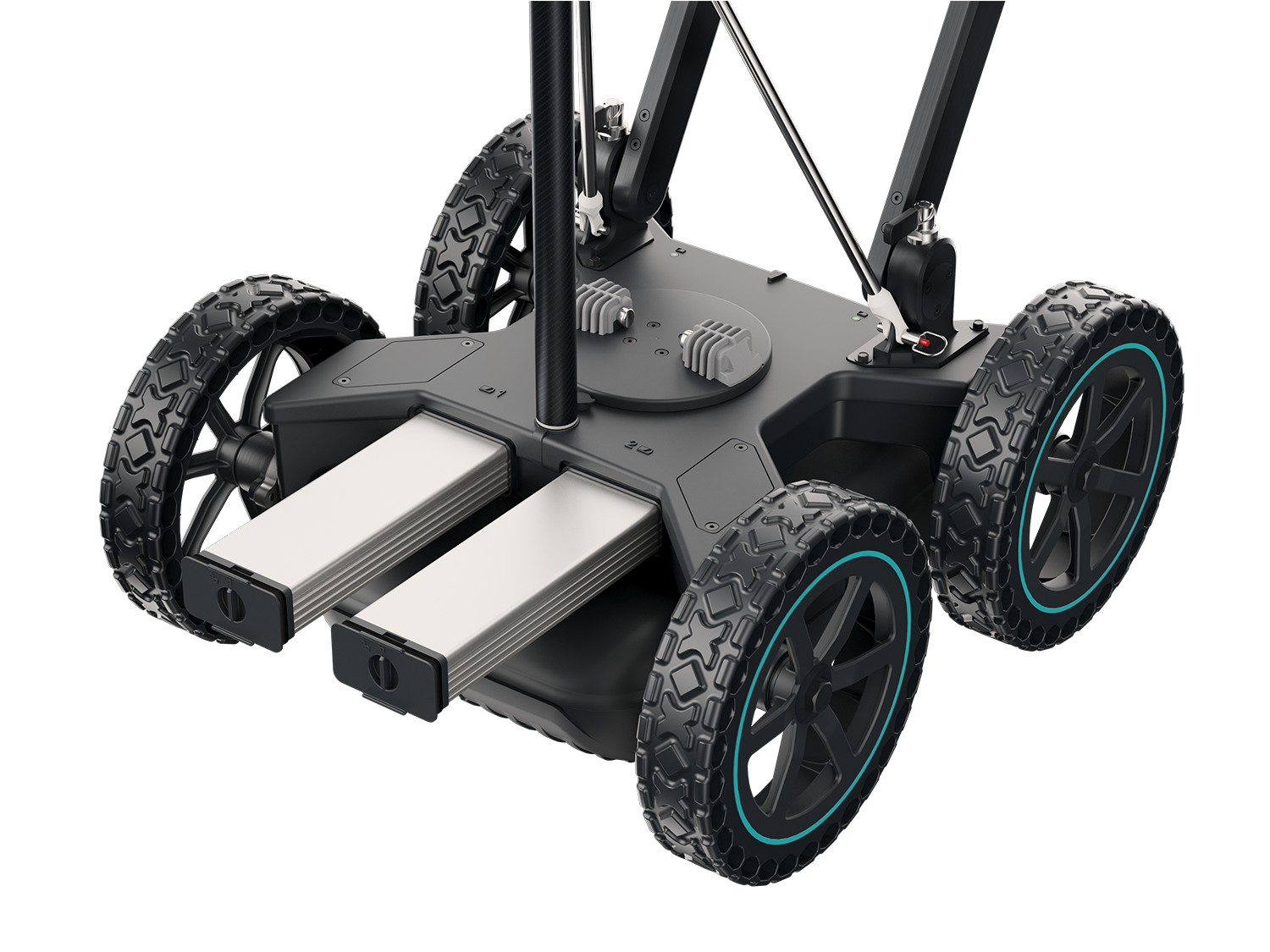
My view changed dramatically in 2023 when I was introduced to the multi-channel GS9000 with the GX1 array. With 2.5 cm channel spacing and a multi-polarised antenna configuration, the step change was obvious almost immediately.
The issue had never been visibility.
It was data density.
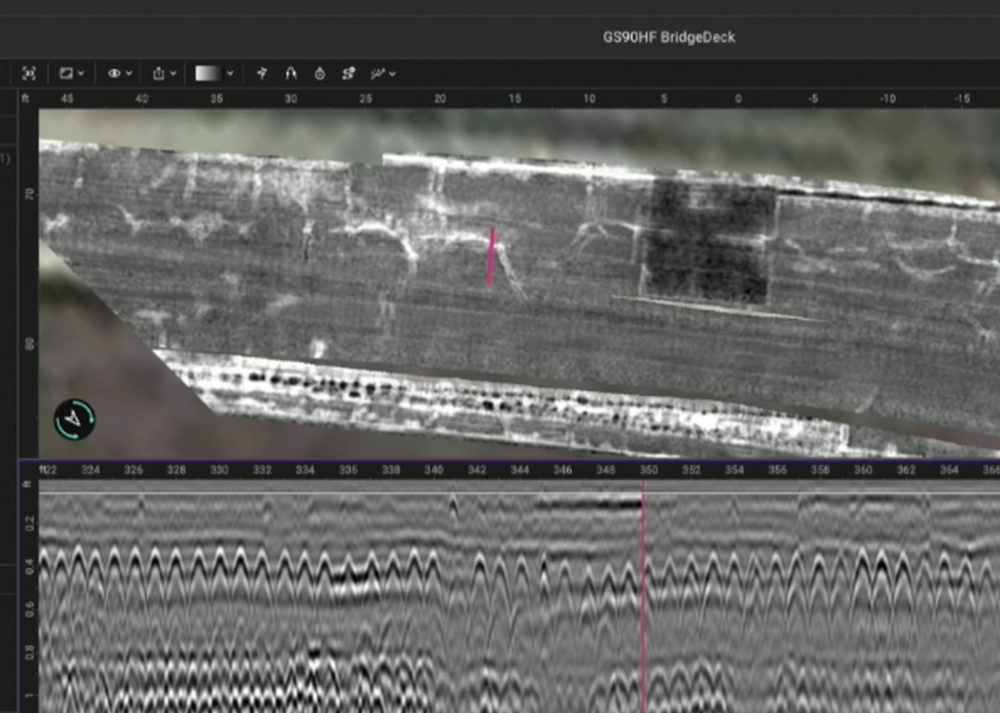
When you capture closely spaced, high-quality data and reconstruct it into clear C-scans, the ambiguity falls away. Features that once appeared as isolated marks begin to resolve into shapes, trends and locations you can interpret with confidence. The real eye-opener for me was seeing surface cracking beneath a painted concrete finish — something I would previously have considered unrealistic outside of ideal conditions.
Now, when I’m asked about the best method for identifying defects across large slab areas, I’m comfortable giving a different answer. It’s multi-channel GPR. Yes, it represents a higher upfront investment. But that cost is quickly offset by faster acquisition, reduced labour, and — most importantly — a dramatically better deliverable for the client.
If you’re curious about what multi-channel GPR could mean for your projects, speak with one of our local team members. We would be delighted to demonstrate how the right data can transform the outcome.

Reuben is PCTE's Managing Director and has been using and training users of GPR for more than 20 years.