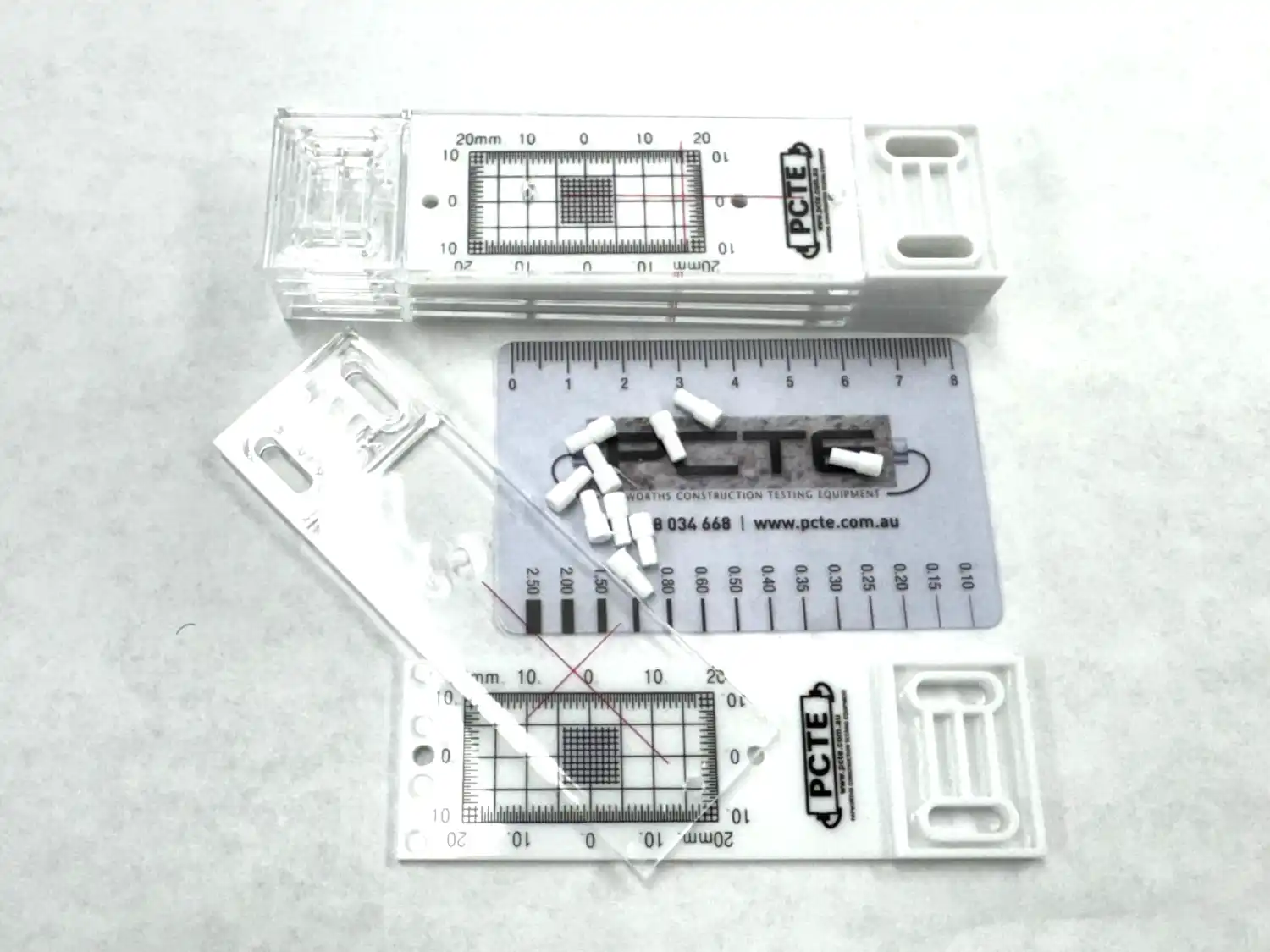
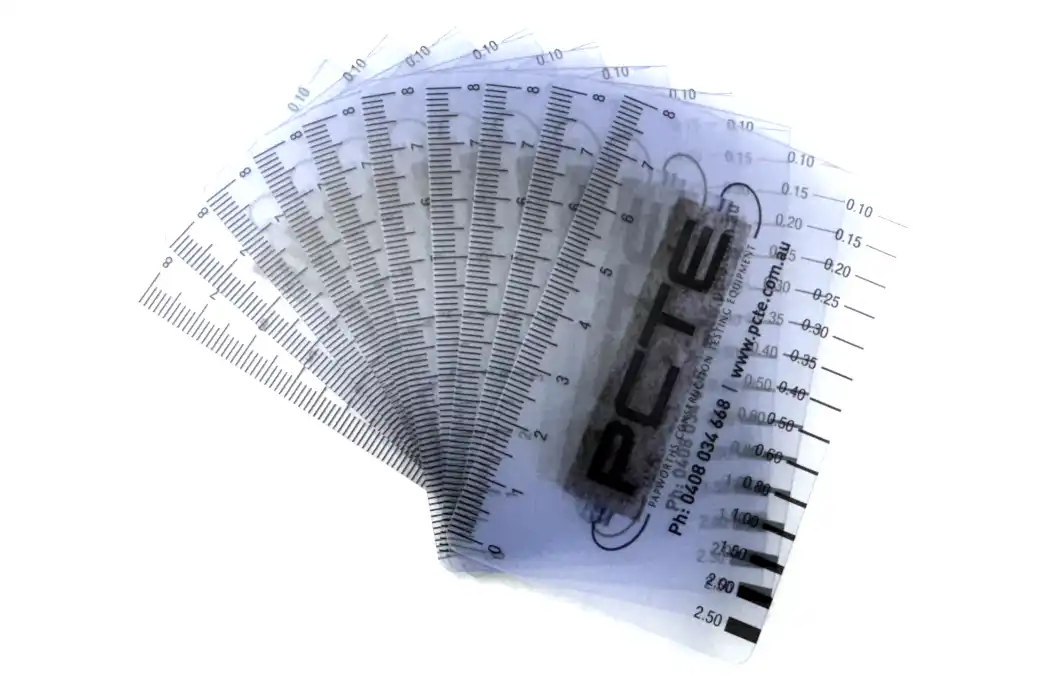
PCTE offers reliable crack-measuring devices that accurately measure and monitor cracks in concrete, masonry, and other structures. Whether you need a crack-measuring gauge for precise width measurements or a concrete crack-measuring device for ongoing monitoring, our tools are essential for ensuring the structural integrity of your projects. Our crack measuring devices provide accurate, real-time results, helping you detect and assess cracks before they become a major issue.
Why PCTE is the Preferred Choice for Crack Measuring Device
At PCTE, we provide the best in crack measuring devices, designed to help you assess the condition of structures effectively and efficiently. Here’s why you should choose PCTE for all your crack measurement needs:
-
High Accuracy: Our crack measuring gauges are designed for precision, ensuring reliable and repeatable results every time.
-
Durability: Built to withstand the rigors of daily use, concrete crack measuring devices from PCTE are made from durable materials, ensuring long-lasting performance.
-
Ease of Use: Crack measuring devices are user-friendly and simple to operate, making them ideal for both field and laboratory testing.
-
Versatile Applications: Suitable for use on a variety of materials, including concrete, masonry, and metal, our crack measuring gauges are perfect for monitoring cracks in various structural applications.
-
Expert Support: With years of experience, PCTE offers expert technical support and training, ensuring that you get the most out of your crack measuring devices.
Crack Measurement: Why Choose It for Your Project?
Accurately measuring cracks in concrete or other materials is essential for assessing the integrity of structures over time. Crack measuring devices such as crack measuring gauges provide precise data on crack widths and movements, which can be used to monitor the progression of damage and ensure that necessary maintenance or repairs are performed before problems escalate.
Concrete crack measuring devices are especially important for monitoring the health of concrete surfaces in infrastructure like bridges, buildings, and tunnels. These tools provide real-time insights, helping professionals make informed decisions and prevent structural failures by catching issues early.
Explore More
PCTE offers a wide range of crack measuring devices designed to meet your specific needs for accurate and reliable monitoring of cracks in various materials. Explore our range below:
-
Software Solutions: Our software solutions help you manage and analyse crack measurement data, providing valuable insights for structural assessment and report generation.
-
Non-Destructive Testing (NDT): PCTE provides NDT equipment that allows for the assessment of structural integrity without causing damage to the material being tested.
-
CMT Laboratory Equipment: Our CMT laboratory equipment is ideal for in-depth testing of concrete, soil, and other materials, providing reliable results for further analysis.
-
GPR Equipment: Ground Penetrating Radar (GPR) systems are used to assess subsurface conditions, complementing crack measurements with comprehensive material inspection and analysis.
Warranty & Returns
PCTE offers a warranty on all crack measuring devices to ensure their accuracy and durability. If your device is defective or damaged, please contact us within the warranty period for replacement or repair. Returns are accepted within 7 days for unused devices. For more details, please refer to our Warranty & Returns Policy or contact us via our Contact Us page.
Shipping & Delivery
PCTE ensures reliable and timely delivery for all crack measuring devices. Estimated delivery times will be provided during checkout. For more information, please refer to our Shipping & Delivery Policy or contact us via our Contact Us page for inquiries.
FAQs
How accurate are crack measuring gauges?
Crack measuring gauges provide highly accurate measurements, typically down to 0.01mm, depending on the device. The accuracy of these tools ensures reliable crack width measurements, making them essential for monitoring structural health and ensuring the integrity of materials over time.
What is the best way to use a crack measuring device?
To use a crack measuring device effectively, position the gauge across the crack at multiple points to ensure consistent readings. Follow the manufacturer’s instructions for proper alignment and measurement technique to obtain the most accurate results. In the case of a concrete crack measuring device, ensure the surface is clean and free of debris to avoid interference with the reading.
Can crack measuring devices be used on all materials?
Yes, crack measuring devices are versatile and can be used on various materials, including concrete, masonry, metal, and composite materials. They are ideal for monitoring cracks in infrastructure like bridges, walls, foundations, and industrial machinery.
How often should crack measuring devices be used?
The frequency of using crack measuring devices depends on the project and the severity of the cracks. For ongoing structural monitoring, regular measurements should be taken, typically every few months or after significant events, such as earthquakes or heavy rainfall, that could affect the structure.
Can crack measuring gauges detect internal cracks or damage?
No, crack measuring gauges are designed to measure surface cracks only. For detecting internal damage, such as voids or structural weaknesses beneath the surface, other methods like Ground Penetrating Radar (GPR) or ultrasonic testing would be required.
Do I need to calibrate my crack measuring device?
Most crack measuring devices do not require frequent calibration, but periodic checks should be performed to ensure their accuracy. If you notice inconsistencies in measurements or suspect the device is not working properly, it may require recalibration or maintenance.
What is the difference between a crack measuring gauge and a crack width gauge?
A crack measuring gauge typically measures the width of a crack at various points along its length, while a crack width gauge is designed to measure the specific gap between the sides of the crack. Both tools provide valuable information for assessing structural integrity, but crack width gauges often provide more precise readings for narrow cracks.

%20vector%20logo.svg)